
Starting the Path Together
Welcome to our First Steps. This is a simple, supportive resource for parents, caregivers, and families of autistic children in the early years.
With so much information available, it can feel overwhelming to know what to trust. This toolkit brings together clear, practical guidance in one place to help you navigate your journey with confidence.
Every family’s experience is unique, so think of this as a flexible guide, designed to support you at any stage. We use the term “parent,” but it includes all caregivers supporting a child.
Early understanding and support can make a meaningful difference, helping you better understand your child, access the right services, and support their growth, learning, and well-being.
- Build a deeper understanding of your child and how to support them
- Connect you to appropriate services and inclusive educational settings
- Develop skills that support learning, relationships, and overall well-being
- Prepare yourself emotionally and mentally for the journey ahead
- Take advantage of early brain development, increasing the impact of supports
- Ensure your child has the tools they need to grow, learn, and thrive into school years and beyond
How the Autism Journey Begins
For many families, the journey starts with a conversation with your GP or pediatrician about concerns regarding your child’s development. They may refer your child to the Glenrose Autism Clinic, either through the Infant and Preschool Assessment and Outreach Service (IPAS) or the School Age Neurodevelopment Clinic (SNAC).
The process from first concern to formal diagnosis can be long—often 12–18 months through public healthcare. Some families choose private assessments to shorten wait times, which can take weeks but may be costly. Extended health benefits may cover part of the cost.
Why an Autism Assessment Matters
Even if a formal diagnosis isn’t given, an assessment can:
- Provide detailed information about your child’s development and behaviour
- Identify strengths and areas where support is needed
- Help access early therapies or educational supports
- Improve outcomes by enabling early interventions
If your child isn’t diagnosed with autism, assessments may still identify other conditions such as ADHD, anxiety, learning differences, or developmental challenges, allowing you to seek appropriate support.
Taking the First Step
- Talk to your GP or pediatrician about your concerns.
- Be prepared to describe your observations and note any behaviours over time.
- Focus on your child’s communication, social interactions, and play skills.
- Bring your notes, videos, and previous medical records to the appointment.
- Consider taking a partner, family member, or friend for support.
Your instincts matter. If you feel your child needs further assessment and your doctor suggests “wait and see,” you may choose to seek a second opinion or a private assessment if possible.
Assessment and Diagnosis
An assessment may involve:
- Observation of your child’s behaviour
- Discussion with you about development, routines, and social interactions
- Structured tools, such as:
- ADI-R (Autism Diagnostic Interview-Revised)
- ADOS (Autism Diagnostic Observation Schedule)
- CARS-2 (Childhood Autism Rating Scale)
- DISCO (Diagnostic Interview for Social and Communication Disorders)
- GARS-3 (Gilliam Autism Rating Scale)
A single tool isn’t enough for a diagnosis; professionals use multiple sources of information, including your input and previous records.
Types of Therapy and Support
Speech and Language Therapy
- Supports communication and interaction
- Teaches strategies for expressing needs, thoughts, and emotions
- Helps develop attention, play, and social skills
Occupational Therapy
- Addresses sensory sensitivities and coping strategies
- Supports daily routines, transitions, and independence
- Recommends calming strategies and sensory activities
Other Support
- Family Support for Children with Disabilities (FSCD): Financial support for therapies, respite care, and other needs
- Respite care: Gives families short-term relief while ensuring children are supported
- Triple P (Positive Parenting Program): Provides practical parenting strategies and behaviour support
- Private therapies may also be considered if public services have long waitlists
- Be cautious of claims promising a “cure” for autism—no such cure exists
From Concerns to Diagnosis: You Are Your Child’s Key Support
Every parent or caregiver faces challenges with young children, such as introducing new foods or establishing sleep routines. These everyday tasks can feel even more difficult when your child has additional needs or a disability.
Many parents of autistic children report that the areas where they most want support include:
- Communication
- Sleep
- Eating
- Toileting
- Behaviour
Support is available. You can seek guidance from an Occupational Therapist experienced in these areas, and additional assistance may be accessible through your FSCD contract.
Supporting Your Child’s Communication: 10 Helpful Tips
Many characteristics of autism involve challenges with communication, so supporting your child’s communication skills is important. Here are 10 practical ways to help:
- Follow their lead
Let your child guide the activity instead of directing it. They are more likely to engage and focus when they are genuinely interested and motivated. - Be face to face
Get down to your child’s eye level when communicating. This allows them to see your facial expressions, which are an important part of communication. - Copy their actions and sounds
Imitate your child’s sounds and movements. If they say “vroom” instead of “car,” respond with “vroom” too. If they bang a spoon, do the same. This shows them the power and fun of communication. - Join in their play
Show interest in what your child is doing. If they line up cars, hand them one at a time. If they throw toys, use a basket to collect and return them. Engaging in their interests makes interaction rewarding. - Use “high-interest” objects
Items like balloons or bubbles often grab attention. Use them to encourage two-way communication by pausing and waiting for a response before continuing. If something causes distress, try a different object that captures their attention positively. - Encourage requests
Place favourite toys or snacks just out of reach or in a container that’s tricky to open. This encourages your child to ask for help and creates opportunities for interaction. - Give things gradually
Break items, like cookies, into small pieces. Give one piece at a time and encourage your child to communicate before giving more. This teaches turn-taking and requesting. - Use simple words – “less is more”
If your child is not yet talking much, add just a small amount of information to their words. For example, if they say “car,” you can reply, “Yes, blue car.” Gradually build language without overwhelming them. - Use gestures and visuals
Demonstrate actions, like drinking, and use gestures like nodding or waving. Show photos when talking about people or places to make ideas clearer. - Have fun!
Play should be enjoyable for both of you. If a tip is causing stress, stop and try something else. These strategies are meant as a starting point to discover what works best for you and your child.
Supporting your child’s play
All young children, including autistic children, learn and grow through play. Play is not just fun—it is a key way children explore the world, make sense of it, and develop important physical, social, and communication skills. Autistic children may play differently; they might focus on a few toys, repeat the same actions, or use toys in unique ways—for example, spinning the wheels of a toy car instead of pushing it. Play is a valuable opportunity to support your child’s social and communication development by encouraging skills such as taking turns, asking for help, making choices, and using their imagination.
Six Types of Play and How to Support Your Child
1. Exploratory Play
Learning about the world and their body by exploring textures, shapes, and sizes.
Tip: Join in and encourage exploring water, sand, foam, or other interesting materials.
2. Interactive / Cause-and-Effect Play
Toys that respond to actions, like pressing a button to make something happen.
Tip: Show your child how the toy works if needed, praise successes, and encourage turn-taking. Use simple phrases like “Mommy help” or “Your turn.”
3. Toy Play
Using toys as intended, like throwing a ball or pushing a car.
Tip: Offer a few choices, sit face-to-face, copy their actions, then take turns. Praise often and end play on a positive note.
4. Constructive Play
Building or creating, such as towers, drawings, or puzzles.
Tip: Break tasks into small steps so your child can succeed, then gradually increase complexity as skills grow.
5. Physical Play
Running, jumping, dancing, or other full-body activities.
Tip: Encourage outdoor play to explore, move freely, and build coordination, strength, and confidence.
6. Pretend / Imaginative Play
Using imagination, like dress-up or role-playing with toys.
Tip: Support pretend play to develop language, social, and communication skills. Start simple and follow your child’s interests.
Supporting Social Play Skills
Social play usually develops gradually, from playing alone to cooperating with others. Autistic children may find playing with others especially challenging.
American sociologist Mildred Parton Newhall identified four key stages of social play, still widely used today to describe how children progress to more complex play. Here’s a summary of the stages and ways you can support your child:
1. Solitary Play
Your child plays independently. It’s normal and healthy for children to spend time playing alone, even as they grow.
2. Parallel Play
Children play alongside others, sometimes mimicking their actions but not yet fully interacting.
Tip: Encourage your child to play alongside siblings, cousins, or peers during playdates to practice observing and copying others.
3. Associative Play
Children begin interacting with others, sharing, taking turns, and exchanging ideas.
Tip: Support your child by encouraging simple interactions, like swapping toys or joining in similar activities, such as riding a bike while another child uses a scooter.
4. Cooperative Play
Children work together on games or activities with rules, like hide-and-seek, or building something together, such as a fort or sandcastle.
Tip: Use clear, simple instructions and visual supports. For example, explain a hide-and-seek game step by step or mark roles with scarves or objects. Social stories and visuals can make rules easier to understand and follow.
By supporting each stage, you help your child build communication, social understanding, and confidence while having fun with others.
Making the Most of Play
Play is more than fun—it’s a powerful way to help your child develop communication, social, and everyday skills. You can use play to encourage language, turn-taking, problem-solving, and coping with new situations. Here are some tips:
- Talk while playing: Name objects (“car,” “ball,” “paintbrush”) and gradually add descriptive words (“blue car,” “big ball”). Describe your child’s actions, like “feed teddy,” and build longer sentences over time.
- Use play in new environments: Encourage familiar play, like building towers, when your child is at a friend’s house or trying a new setting.
- Support routines: Incorporate play into daily activities, such as bath time or mealtime.
- Create learning games from everyday objects: Turn anything that interests your child into a playful activity, like “find the hairbrush.”
- Practice social rules safely: Role-play situations your child may find challenging, such as a birthday party with dolls or teddy bears.
- Build everyday skills: Use play to teach practical skills, like dressing a doll or changing costumes, to support independence.
- Have fun together: Play is also a time to bond, enjoy each other’s company, and make learning enjoyable.
Going out and about with your child
There is often still a lack of awareness about autism in society. This can lead to uninformed people misjudging autism as ‘naughty behaviour’. This, in turn, can have a big impact on your emotions if your child begins to struggle in a public place.
As a parent, you may feel a range of difficult emotions, such as shame, guilt, anger, and helplessness, if you’re out in public with your child and they are struggling to cope. It can be difficult to feel like a good parent if your child is having a meltdown due to sensory overload, or ‘stimming’ to self-regulate and soothe themselves. It’s harder still if you feel like others are judging you.
People may be better able to understand your child and how they can help if you share information about them.
Your child has the right to be integrated into the community and to experience life outside the house, even if their actions and behaviours look different
Preparing for Situations Outside the Home
Some places or events can be challenging for your child, but planning ahead can make these experiences more manageable for both of you. Here are some strategies:
1. Familiarize Your Child with New Locations
Visit a new place—like a doctor’s office or hairdresser—before the event so your child can see and explore the environment. This physical familiarity can reduce anxiety.
2. Make Back-Up Plans
For busy or unpredictable settings, like birthday parties, football stadiums, or swimming pools, having a back-up plan helps:
- Identify a quiet exit if your child becomes overwhelmed.
- Consider using ear defenders in loud spaces.
- Bring a favourite toy, game, or book to help your child stay calm.
3. Observe Patterns in Behaviour
Pay attention to what triggers your child’s discomfort. For example, one parent noticed her son resisted entering places with closed doors but was fine with automatic doors. Opening the door in advance helped reduce anxiety.
Using Visual Support
Consistency and routine are important for autistic children. Visual support helps them understand what is happening, what will happen next, and how to manage transitions. It also provides a way to communicate while their speech develops.
Visual support can include:
- Real objects (e.g., showing a cup when offering a drink)
- Photographs, line drawings, or symbols (e.g., images for visiting a shop or welcoming a visitor)
It helps children understand:
- What is happening now and next
- Past and future events
- Their own feelings and others’ feelings
- Steps for completing tasks independently
- Choices available to them
Common types of visual support include:
Now and Next Boards
- Divide a board into “Now” and “Next.”
- Use pictures, symbols, or photos to show current and upcoming activities.
- Keep instructions simple: “Brush teeth now… put on pyjamas next.”
- You can use a motivating activity as the “Next” reward to encourage participation.
Time Timers
- Help children understand the passage of time visually.
- As the red disk disappears, your child can see how much time remains.
- Use it for tasks like TV time, bath time, or brushing teeth.
- Promotes smoother transitions and supports self-regulation.
Visual Timetables
- Show sequences of activities for the day, week, or special events.
- Helps your child anticipate transitions: “First we drive to the supermarket, then to Grandma’s, then lunch, then home.”
- Start small with a few activities and gradually expand.
- Keep the timetable visible and accessible, and take a copy when out.
- Tick or remove pictures as activities are completed.
- Review at the start and end of the day if helpful.
Social Stories
Social Stories are a type of visual support designed to help children understand and 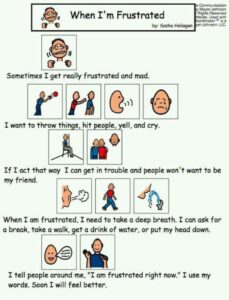 navigate situations that may feel unpredictable. They were developed in the 1980s by Carol Gray, a teacher in the USA working with children with special needs.
Carol noticed that many of her students struggled with uncertainty, so she created simple storyboards that broke down complex events into clear, manageable steps. These stories could be read, discussed, and rehearsed, helping children feel more confident and prepared.
To learn more about Carol Gray and Social Stories, visit Carol Gray Social Stories.
Great examples of Social Stories: Social Stories – asnl
Creating and Using Social Stories
1. Know your goal
Be clear about what you want your story to achieve. Keep the focus simple. For example:
“Now we brush our teeth. Next we get into our pyjamas.”
2. Structure: Beginning, Middle, End
A social story should have three parts:
- Title and introduction – clearly identify the topic.
- Body – add details about what will happen.
- Conclusion – summarise and reinforce the main points.
Adding one or two simple sketches can serve as visual reminders during the activity.
3. Keep it brief and simple
Tailor your story to your child’s language skills, attention span, and interests. Short, clear sentences work best.
4. Use a positive tone
Describe events in a patient and encouraging way. Focus on what will happen rather than what should not happen.
5. Who is in the story?
Decide whether to use second person (“You will go to the shop”) or third person (“Suzi will go to the shop”). Experiment to see which your child responds to best.
6. Consistent timing
Use consistent past, present, or future tense. Avoid switching between tenses in the same story. For example:
- Instead of: “The last time we went to the pool the water was cold. When we go tomorrow, it will still be cold.”
- Try: “When we go to the pool tomorrow, the water will be cold.”
7. Cover the basics: Who, What, When, Where, Why, How
Explain these elements as you go, using your pictures. When describing why, give a simple reason behind the event or activity.
8. Describe rather than direct
Focus on explaining what will happen rather than giving instructions. For example:
- “The music at the party will be loud. Some children like to dance. It’s OK if you don’t want to dance.”
Use gentle coaching sentences to help your child understand and make choices.
9. Practice makes progress
It may take a few tries for you and your child to feel comfortable with social stories. If it doesn’t work the first time, keep experimenting—patience pays off.
10. Praise and reinforce
After the activity, remind your child how the social story helped them understand what was going to happen. Praise their effort and successes. This builds trust, confidence, and helps your child feel more secure in future experiences.
AHS Early Intervention Program
The AHS Early Intervention Program is a home-based educational and support program for families with children from birth to 3½ years old who have two or more developmental delays or a diagnosed disability. The program provides support, education, and guidance in multiple settings—your home, playgroups, and community locations.
When to Reach Out
Parents or caregivers should contact the program if they have concerns about their child’s:
- Attention
- Movement
- Feeding
- Speech
- Hearing
- Social interactions
Services Provided
The program offers families:
- Home or community visits with your child
- Child and parent group sessions
- Activity ideas to support your child’s development
- Referrals and support for accessing other services
- Developmental screenings
- Access to a resource lending library
- Guidance for planning your child’s preschool years
Childcare Considerations
Finding the right childcare can feel overwhelming, especially if it’s your first time leaving your autistic child in someone else’s care. Quality childcare supports development, independence, and social skills.
Tips for choosing childcare:
- Consider locations close to home or work
- Check if the childcare can accommodate your child’s additional needs
- If an aide is needed, FSCD (Family Support for Children with Disabilities) can provide support to ensure safety and inclusion
Note: FSCD will not provide aide services if another government department (like Alberta Education or Alberta Health) can provide the same service.
FSCD – Family Support for Children with Disabilities
The FSCD program helps families of children with disabilities by:
- Providing supports to raise your child and promote healthy development
- Encouraging participation in home and community activities
- Assisting with extraordinary costs related to your child’s disability
- Supporting parents in maintaining guardianship and decision-making until age 18
How FSCD Works:
- Assess your child and family’s specific needs
- Set goals for development and participation at home, school, and community
- Agree on services and resources to meet goals
- Regularly review goals and needs
Learn More & Apply:
- FSCD Website: https://www.alberta.ca/fscd.aspx
- Online Application: https://myalbertasupports.alberta.ca/CitizenPortal/application.do
Early Education Support
Program Unit Funding (PUF)
For preschool-aged children (3–5 years old), Alberta Education provides Program Unit Funding (PUF) from September to June. PUF offers:
- Educational support in preschool/daycare
- A multi-disciplinary team working on goals guided by an Individualized Program Plan (IPP)
- Options for site-based programs or support within your child’s existing preschool/daycare
Note: PUF spots fill quickly. Begin looking at programs in February or March for September registration.
Educational Support in the Classroom
Through the Specialized Learning Support Grant, your child can attend a regular classroom with additional support. An IPP will guide the teaching team with goals and outcomes.
Individualized Program Plans (IPP)
If your child has an autism diagnosis, they may receive support through PUF (preschool) or Specialized Learning Support Grant (K–12).
IPP Process:
- Assess – Identify your child’s needs through evaluation and diagnosis
- Plan – Develop goals with your input; define how supports will help your child
- Do – Implement support in daily activities with tracking of progress
- Review – Regularly evaluate support effectiveness and update goals
Families should be actively involved throughout this process.
Getting Ready for School
Every child, including autistic children, has the right to mainstream education. Some children with complex needs may attend specialized programs.
Steps for choosing a school:
- Research – Learn about local schools and specialized programs like Interactions (EPSB)
- Visit – Attend open houses or schedule tours to see classrooms and facilities
- Meet the Teacher – Introduce your child to their teacher before school starts; discuss accommodations
- Apply – Complete the School Admissions Application and provide diagnoses/reports to ensure the school can provide appropriate support
Specialized Programs Fill Quickly:
- Contact schools early (January–February) to secure spots for the upcoming year.
Preparing for Dental Appointments
Autistic children may find dental visits overwhelming due to sensory sensitivities, unfamiliar routines, or anxiety. Careful preparation and communication can make appointments more manageable and positive.
Preparation and Communication
- Gather Information: Contact the dental office ahead of time. Ask about waiting in the car until the dentist is ready, and request photos of the office to familiarize your child with the environment.
- Communicate Needs: Share your child’s sensitivities, preferences, and needs with the dentist and staff. Clearly state the objectives of the visit, such as prioritizing X-rays or a cleaning first.
- Request Accommodations: Ask for longer appointment times, scheduled breaks, or a specific time of day that works best for your child. Ensure equipment is ready before your child enters the room.
Familiarization
- Visit the Office in Advance: If possible, arrange a pre-appointment visit (“Happy Visit”) for your child to explore the space and meet the dentist.
- Explain the Visit: Use simple, clear language to describe what will happen and why dental care is important.
- Incorporate Play and Media: Read books, watch videos, or use pretend play with toys to practice visiting the dentist.
- Create a Social Story: Make a story with pictures and simple sentences that walks through each step of the appointment and what supports will be available.
- Practice at Home: Role-play a dental visit using a toothbrush, mirror, or a favorite toy to simulate the experience.
- Visual Schedule: Develop a step-by-step visual schedule for the appointment and review it in advance. Bring it along to the visit.
Sensory Considerations
- Prepare for Sensory Needs: Inform the dental team about helpful tools, such as weighted X-ray vests, sunglasses, or noise-canceling headphones.
- Comfort Items: Allow your child to bring a favorite toy, blanket, or other comforting item to the appointment.
During the Appointment
- Stay Calm and Reassuring: Your calm demeanor helps your child feel safe and regulated.
- Use Simple Language: Encourage staff to explain each step clearly and truthfully, including how long things will take.
- Offer Breaks: Let your child know they can request breaks, and offer them proactively if needed.
- Keep Visits Short Initially: Short appointments help your child gradually become comfortable with the dental environment.
Conclusion
With thoughtful preparation, clear communication, and attention to sensory and emotional needs, dental visits can become a positive and manageable experience for autistic children. Tailoring strategies to your child’s preferences and needs empowers them to participate successfully in important self-care routines.
Preparing for Doctor Appointments
Doctor visits can be stressful for autistic children due to unfamiliar environments, sensory sensitivities, or anxiety. Thoughtful preparation, communication, and support can make appointments more comfortable and positive.
Preparation and Communication
- Explain the Visit: Talk to your child in advance using simple, clear language about what will happen. Emphasize that doctor visits are part of taking care of their body.
- Create a Social Story: Develop a story with pictures and simple sentences describing each step of the visit.
- Visual Schedule: Make a visual schedule outlining the steps of the appointment. Review it in advance and bring it along to the visit.
Familiarization
- Visit the Office in Advance: If possible, arrange a pre-visit so your child can explore the space and meet the doctor.
- Use Pictures and Videos: Show books, images, or videos about doctor visits to help your child understand what to expect.
Role-Playing
- Practice at Home: Simulate a doctor visit using toy medical tools such as a stethoscope, thermometer, scale, or measuring tape.
- Use a Favorite Toy: Practice the visit on a favorite toy or stuffed animal to make the experience relatable and fun.
Sensory Considerations
- Prepare for Sensory Needs: Bring noise-canceling headphones if your child is sensitive to sound, and consider sunglasses or a hat to reduce bright light.
- Comfort Items: Allow your child to bring a favorite toy, blanket, or other comfort object.
Communicate with the Doctor
- Share Needs in Advance: Inform the doctor about your child’s sensitivities, preferences, and support needs. If possible, record your child’s height and weight beforehand to streamline the visit.
- Request Accommodations: Ask for longer appointment times, scheduled breaks, or a preferred time of day. Ensure the office is ready for your child’s needs.
During the Appointment
- Stay Calm and Reassuring: Your calm demeanor helps your child feel safe.
- Use Simple Language: Encourage the doctor and staff to explain procedures step-by-step in straightforward language.
- Allow Participation: Let your child hold instruments or participate in small ways to feel in control.
- Keep Visits Short Initially: Start with brief appointments to help your child gradually adjust to the experience.
Conclusion
With careful preparation, communication, and attention to sensory and emotional needs, doctor visits can become a positive and manageable experience for autistic children. Tailoring these strategies to your child’s preferences empowers them to successfully participate in essential self-care routines.
Preparing for Haircuts
Haircuts can be overwhelming for autistic children due to unfamiliar environments, sensory sensitivities, and new routines. Thoughtful preparation, communication, and support can make the experience more comfortable and positive.
Preparation and Communication
- Explain the Haircut: Talk to your child in advance using simple, clear language about what will happen. Explain why haircuts are important for self-care and, if possible, involve them in choosing the style.
- Create a Social Story: Develop a story with pictures and simple sentences outlining each step of the haircut process.
- Show Pictures and Videos: Use books, images, or videos to help your child understand what to expect.
- Practice at Home: Role-play haircuts using a comb, spray bottle, and pretend scissors. If using an electric clipper, expose your child to the sound gradually and demonstrate it on a parent first.
- Use a Favorite Toy: Practice giving a haircut to a stuffed animal or favorite toy to make the process relatable.
- Visit the Salon or Barber in Advance: If possible, arrange a pre-visit to explore the space and meet the stylist or barber.
Sensory Considerations
- Prepare for Sensory Needs: Bring noise-canceling headphones for sound sensitivity. Use a cape or towel your child finds comfortable. Consider a vibrating wand or weighted lap pad to provide calming sensory input. Bring a change of clothing in case hair or water gets on your child.
- Comfort Items: Allow your child to bring a favorite toy, blanket, or other comfort object.
Communicate with the Stylist or Barber
- Inform the Stylist: Share your child’s sensitivities, preferences, and needs beforehand.
- Request Accommodations: Ask for a quieter area, scheduled breaks, or a specific appointment time that works best for your child.
During the Haircut
- Stay Calm and Reassuring: Your calm demeanor helps your child feel safe.
- Use Simple Language: Encourage the stylist to explain each step clearly and straightforwardly.
- Allow Participation: Let your child hold a comb, spray bottle, or other tools if appropriate, giving them a sense of control.
- Keep it Short Initially: Begin with brief haircuts to help your child gradually become comfortable with the experience.
Conclusion
With careful preparation, clear communication, and attention to sensory needs, haircuts can become a positive and manageable experience for autistic children. Tailoring strategies to your child’s preferences empowers them to successfully participate in this important self-care routine.
Supporting Autistic Children During an Evacuation
Evacuations can be stressful for any family, but for autistic children, sudden changes in routine, environment, and sensory input can create unique challenges. Understanding these challenges and planning ahead can help your child feel safer and more regulated during emergencies.
Why Evacuations Are Especially Challenging
Autistic children often rely on routine, predictability, and familiar surroundings for safety and comfort. Evacuations can disrupt all of that, leading to:
- Loss of familiar routines and environments.
- Separation from sensory tools or comfort items.
- Exposure to new sights, sounds, smells, and clothing.
- Disrupted sleep patterns and changes in diet.
- Increased anxiety, emotional overwhelm, or meltdowns.
Maintaining Daily Structure in a Changing Environment
Even in temporary or unfamiliar settings, routines help your child feel secure:
- Use a simple visual schedule or written daily plan.
- Describe unexpected changes as “zig zags” to make them easier to accept.
- Offer small choices to help your child regain control (e.g., “Red blanket or blue blanket?”).
Calming Anxiety and Managing Big Feelings
Children may struggle to express fear or confusion. Support emotional safety with:
- Calm, clear, and simple language.
- Acknowledging feelings: “It’s okay to feel upset. I’m here with you.”
- Redirecting attention to familiar people, objects, or preferred activities.
- Practicing deep breathing together or engaging in calming activities side by side.
Helping Your Child Understand What’s Happening
Making the unknown more predictable reduces fear and supports regulation:
- Use visual supports such as drawings, written instructions, or digital devices.
- Create or use social stories about evacuation or fire safety.
- Clearly outline new “rules” or expectations in temporary spaces (e.g., “We wait our turn for the shower”).
Supporting Sensory Regulation in Unfamiliar Settings
Evacuation centers can be overwhelming. Sensory strategies help create calm:
For Children:
- Chew straws or crunchy snacks.
- Use soft pillows or weighted items.
- Play with water, fidgets, or sensory-friendly toys.
- Find or create quiet corners for retreat.
For Parents and Caregivers:
- Listen to calming music.
- Step outside or go for short walks.
- Practice deep breathing.
- Use familiar comfort items such as blankets or chewing gum.
If sensory tools are lost during evacuation, contact support organizations—they may be able to help replace them.
Helping Children Sleep During a Crisis
Sleep may be disrupted, which is normal. Support more restful nights by:
- Keeping bedtime and wake-up times consistent (within about an hour).
- Encouraging outdoor play during the day.
- Reducing screen time at least 30–60 minutes before bed.
- Maintaining familiar bedtime routines with stories, music, or a bath.
- Using sleep supports your child finds comforting, like white noise, weighted blankets, or favorite items.
Caring for Yourself as a Caregiver
Supporting your child during a crisis can be demanding. Protect your own well-being by:
- Allow yourself time to adjust gradually.
- Keeping routines simple when possible.
- Avoiding major decisions during transitions.
- Taking breaks from the news and social media.
- Asking for help—support is available, and you’re not alone.
Need Support? Resources
- 211
- Children’s Autism Services: (780) 495-9235
- Autism Edmonton: (780) 453-3971
- Calgary Autism Society: 403-250-5033
- Health Link Alberta: Dial 811
- Mental Health Helpline (24/7): 1-877-303-2642
- Government of Alberta Emergency Preparedness
Natural Disaster Resources
Planning is an important part of any family affected by autism’s daily routine, but is even more important when it comes to being prepared before, during and after any type of natural disaster. The following tips to assist families with creating emergency preparedness and response plans have been adapted from Autism Speaks resources, recommendations from Ready.gov, FEMA, and the RedCross.
Bathing and Showering Strategies
Preparation and Communication
- Explain the Routine: Use clear, simple language or visual aids to show each step of the bathing or showering process. This could include pictures or physical objects representing each step (e.g., bubble bath bottle for bubbles, shampoo bottle for washing hair, towel for drying).
- Create a Social Story: Develop a story with images and simple sentences outlining bath time, covering each step in order.
- Explain the “Whys”: Help your child understand why bathing is important for self-care and health.
Familiarization
- Explore the Bathroom: Let your child explore the bathroom and bath or shower area when it’s not in use.
- Introduce Bath Toys: Add toys to make bath time inviting and fun.
- Offer Choices: Provide options such as different toys, bubbles, colored soaps, or scents so your child can feel a sense of control over the routine.
Sensory Considerations
- Water Temperature: Ensure water is comfortable; allow your child to test it with their hand first.
- Bathing Alternatives: Consider showers or sponge baths if full baths are overwhelming.
- Start Small: Begin with short baths or showers, gradually increasing time as comfort grows.
- Partial Bathing: Wash one body part at a time and allow breaks as needed.
- Comfort Items: Let your child bring a favorite toy or comfort item into the bath.
Creating a Routine
- Establish Consistency: Bathe at the same time each day using the same bathroom, products, and order of steps. Predictability helps children feel secure.
- Visual Schedule: Use a visual guide of the bathing steps in the bathroom. You can also use the products themselves as a visual schedule (shampoo, conditioner, soap, etc., in order).
- Engage with Songs and Games: Singing or playing simple games can make bath time enjoyable.
- Bath Crayons or Foam Letters: Use these tools to add fun and creativity during the bath.
Additional Tips
- Use Gentle Products: Opt for mild, unscented bath products to prevent overwhelming scents.
- Communicate and Validate: Recognize your child’s feelings and reassure them that it’s okay to feel anxious or uncomfortable.
- Stay Calm and Patient: A calm demeanor from the caregiver helps your child feel safe and relaxed.
Conclusion
Creating a regulating bath or shower routine for an Autistic child requires attention to sensory needs, clear communication, and consistent structure. By combining preparation, choice, and patience, you can help your child feel more comfortable and enjoy the bathing experience.
Tooth-Brushing Strategies
Preparation and Communication
- Explain the Process: Use visual aids like pictures or videos to show each step of tooth brushing. Make sure your child understands the sequence. Explain why brushing is important as part of self-care, without using fear of the dentist.
- Create a Social Story: Develop a story with images and simple sentences outlining each step of brushing teeth.
Familiarization
- Explore the Tools: Let your child handle the toothbrush, toothpaste, and any other items. Vibrating chew toys can help desensitize them to new sensations.
- Use a Mirror: Allow your child to watch themselves in the mirror while exploring the tools, helping them become comfortable with the idea of brushing.
Sensory Considerations
- Choose the Right Toothbrush: Pick a soft-bristled toothbrush with an easy-to-grip handle. Electric toothbrushes may help if vibration is beneficial.
- Flavour and Texture: Experiment with different toothpaste flavors and textures. Offer choices to give your child a sense of control.
- Breaks and Comfort: Allow breaks if your child feels overwhelmed, and use comfort items to help them relax.
Create a Routine
- Establish Consistency: Brush at the same times each day in the same environment, using the same tools and products.
- Visual Schedule: Post a visual guide of the steps for reference.
- Use a Timer: Visual timers or a favorite song can signal the duration of brushing.
Modelling and Imitation
- Demonstrate: Brush your own teeth in front of your child to show the process.
- Imitate Together: Encourage your child to mimic your actions.
Interactive Techniques
- Use Apps or Videos: Engage with apps or videos designed to teach tooth brushing.
- Make It Fun: Turn brushing into a game or fun activity to increase participation.
Adaptive Tools
- Try Adaptive Tools: Consider toothbrushes with built-in timers, silicone finger brushes, or mouth props to support the process.
Additional Tips
- Use Gentle Pressure: Brush gently to avoid discomfort.
- Encourage Independence: Let your child hold the toothbrush and try brushing themselves, providing assistance as needed.
- Stay Calm and Patient: A calm caregiver helps your child feel secure and relaxed.
Supporting Sleep Habits
Autistic individuals often experience difficulties with sleep, including trouble falling asleep, staying asleep, or waking too early. These challenges may stem from sensory sensitivities, emotional regulation differences, irregular sleep patterns, co-occurring sleep disorders, or other factors.
Consistent Bedtime Routine
- Create a Regular Schedule: Set a consistent bedtime and wake-up time, even on weekends.
- Offer Calming Activities: Engage in soothing pre-sleep activities such as deep pressure hugs, gentle rocking, warm baths, reading, listening to calming music, light stretching, or spending time outdoors.
- Use a Visual Schedule: Use pictures or physical objects to show the steps of the bedtime routine (e.g., bubble bath bottle for bath, stuffed animal for bedtime).
- Gradual Transition: Adjust to a new sleep schedule slowly, moving bedtime in small increments.
Sleep Environment
- Comfortable Bed: Ensure pillows and mattress are supportive and comfortable.
- Cool and Dark Room: Keep the bedroom cool, quiet, and dark. Consider blackout curtains and white noise machines if helpful.
- Minimize Distractions: Remove bright lights, loud noises, and unnecessary electronic devices.
- Sleep Associations: Encourage the bed to be associated with sleep by limiting non-sleep activities there.
Sensory Considerations
- Weighted Blankets or Sheets: These may provide calming pressure.
- Comfort Objects: Allow use of a favorite stuffed animal or blanket.
- Comfortable Clothing: Choose pajamas free from irritating tags or seams.
Diet and Exercise
- Limit Stimulants: Avoid caffeine and high-sugar foods in the afternoon and evening.
- Encourage Regular Exercise: Physical activity is beneficial but avoid vigorous exercise immediately before bedtime.
Technology Management
- Limit Screen Time: Avoid screens at least one hour before bed, as blue light can interfere with melatonin production.
- Use Blue Light Filters: If screen use is unavoidable, apply blue light filters to devices.
Medical Consultation
- Professional Support: Speak with a healthcare provider to rule out underlying conditions that may affect sleep.
- Medication Review: Discuss current medications with a doctor to see if any could be impacting sleep.
Conclusion
Improving sleep for autistic individuals requires a holistic approach that addresses sensory, behavioral, and medical needs. With patience, consistency, and supportive strategies, better sleep—and overall well-being—can be achieved.
Transitioning from Summer
When school ends and summer begins, many children look forward to a break. For autistic children, however, the shift away from familiar school routines can be more challenging than relaxing. This disruption can lead to summer learning loss — a temporary regression in academic, social, or behavioural skills due to the loss of structure and consistent learning.
Why Routine Matters
For autistic children, structure is more than helpful — it’s essential. Predictable routines support emotional regulation, helping children manage feelings, stay calm, and respond to changes in healthy ways. During the school year, consistent schedules, clear expectations, and familiar environments provide a sense of safety and support both learning and behaviour.
When summer arrives and these routines disappear, children may feel unsettled or dysregulated. This can make it harder to retain skills, engage with new experiences, or navigate transitions. While many children enjoy the freedom of summer, autistic children often rely on external structure to feel secure. Predictable daily rhythms anchor them, reduce anxiety, and help maintain focus and engagement.
Strategies to Support Summer Routines
You don’t need to replicate school at home, but incorporating predictable elements into the day can make a big difference. Here are practical strategies:
- Create a Visual Schedule
Use pictures, icons, or written lists to map out the day. Visual schedules make time more predictable, reduce anxiety, and give children a sense of control over their environment. - Build in Predictable Anchors
Start and end the day with consistent routines, such as a morning walk, midday quiet time, or evening reading session. These “anchor points” provide continuity even if other activities vary. - Include Light, Consistent Learning
Incorporate short, low-pressure learning moments — like reading together, simple crafts, or games involving letters, numbers, shapes, or colours. This helps maintain a learning mindset without overwhelming your child. - Involve Your Child in Planning
Allow your child to help make the schedule, even if it’s just choosing between two activities. This sense of ownership can reduce resistance to transitions. - Practice and Prepare for Transitions
Use countdowns, visual timers, or simple verbal cues to prepare your child for changes in activity or location. Practicing common transitions (like leaving the house) builds confidence. - Use Familiar Supports
Carry over tools or strategies used during the school year — such as sensory items, timers, or routines from their IPP. Familiar supports help bridge the gap between school and summer life. - Consider Structured Summer Programming
Local programs, such as camps offered by the Autism Society of the RMWB, provide predictable routines, structured activities, and staff trained to support regulation and engagement. These programs allow children to enjoy outdoor time while maintaining learning and social connections.
Conclusion
Summer can be enjoyable for autistic children, it just requires more planning and intention. By building routine, creating predictability, and honouring your child’s need for structure, you help them stay regulated, confident, and ready to continue learning.
Traveling: Planning for a Positive Experience
Traveling with autistic children requires thoughtful planning, preparation, and flexibility to ensure the experience is safe, enjoyable, and manageable for everyone.
Use Visual Supports
- Prepare with Visual Aids: Create social stories, picture schedules, or visual checklists to outline each step of the journey. Knowing what to expect helps reduce anxiety and supports regulation.
Consider What to Pack
- Essential Items: Bring comfort objects, sensory tools, medications, and anything your child relies on to feel secure.
- Safe Foods: Pack familiar snacks and meals to ensure your child has access to foods they can tolerate and enjoy.
- Travel Toolkit: Include calming items such as fidget toys, headphones, a change of clothes, or weighted lap pads to help manage sensory needs.
Plan Your Trip
- Stay Flexible: Allow extra time for transitions, delays, or unexpected changes. Patience and adaptability are key.
- Seek Autism-Friendly Options: Look for accommodations, attractions, and activities that support autistic individuals. Incorporate your child’s interests, such as museums, parks, or other motivating activities.
- Bring Safety Equipment: Consider items like door locks, flotation devices, GPS trackers, or light-blocking shades to support safety and comfort.
- Check Airline Policies: If flying, confirm which equipment can be brought on the plane or gate-checked. For example, check if car seats are allowed on board or if folding wagons are permitted.
- Maintain Routines: Keep familiar schedules, supports, and rituals to help your child feel secure while away from home.
Prepare Your Child for Travel
- Participate in Airport Programs: If flying, attend programs like “Autism Aviators” to familiarize your child with airport procedures.
- Use Identifiers: Consider sunflower lanyards or other visual identifiers to signal support needs discreetly.
- Introduce Travel Through Books and Games: Read stories or play games about travel modes your child will experience, such as airplanes or long car rides.
Conclusion
With careful preparation, patience, and attention to your child’s sensory and emotional needs, traveling with autistic children can be a rewarding and enjoyable experience. Thoughtful planning helps create lasting family memories while supporting your child’s growth, confidence, and comfort during new adventures.
Transitioning to a New School Year
Starting a new school year can be both exciting and stressful for children and their families. With thoughtful preparation, you can ease transitions, reduce anxiety, and set the stage for a successful year.
Establish a Routine
- Set a Consistent Schedule: Gradually adjust wake-up times, meal times, and bedtimes a few weeks before school starts to match the school-day rhythm.
- Use a Daily Schedule: Create a visual daily schedule using pictures or objects to represent each routine. This helps your child understand the sequence of activities.
- Prepare Transition Visuals and Objects: Use visual cues and small objects to show upcoming transitions. For example, a toy bus can represent riding the bus, followed by a visual of the classroom to show the next step.
School Familiarization
- Visit the School: Arrange a pre-visit to the school to explore classrooms, bathrooms, playgrounds, and other areas. Take pictures to include in your child’s visual schedule.
- Park Visits: Over the summer, visit the school playground to help your child become familiar with play equipment and the school environment.
- Meet the Teacher: Introduce your child to their teacher and key staff members. Share photos of staff in social stories or on your phone to increase familiarity.
Visual Supports
- Visual Calendar: Mark important dates and create a countdown to the first day of school.
- Social Stories: Use simple stories with pictures to explain school routines, transitions, and social interactions.
- Books and Videos: Watch cartoons or read books about going to school to reinforce expectations.
- Role-Playing: Incorporate school routines into play, such as lining up, asking for help, or interacting with peers. Use action figures or stuffed animals to simulate the school day.
Sensory Considerations
- Pack Sensory Tools: Include items like fidget toys, noise-cancelling headphones, or a weighted lap pad to help your child self-regulate. Consult the school team about additional sensory supports available in the classroom.
Collaborate with the School
- Review IPP/Documentation: Update your child’s Individualized Program Plan (IPP) or other relevant documents to ensure accommodations and goals are current.
- Share “All About Me”: Provide a one-page summary of your child’s needs, preferences, and strengths to staff.
- Communication Planning: Establish consistent ways to share important information, such as a daily communication log, emails, or periodic check-ins. This can cover sleep, meals, mood, or other relevant details.
Conclusion
With thoughtful preparation, collaboration, and the use of visual and sensory supports, the transition to a new school year can be positive and empowering for autistic children. Implementing these strategies helps reduce anxiety, build confidence, and set the stage for a successful and enjoyable school year.
Supporting at Birthday Parties
Attending a birthday party can be exciting but also overwhelming for autistic children. With thoughtful preparation and planning, you can help your child feel comfortable, confident, and enjoy the celebration.
Preparation and Communication
- Talk About the Party in Advance: Explain what a birthday party is and what to expect using simple, clear language.
- Watch Videos and Read Books: Use videos or books about birthday parties as a low-stress way to introduce your child to the idea and spark interest.
- Create a Social Story: Develop a story with pictures and simple sentences outlining the party, including what will happen and what supports are available.
- Visit the Venue: If possible, tour the location ahead of time so your child can become familiar with the environment.
Manage Expectations
- Set Clear Expectations: Discuss how many people will be there, what activities will happen, and the approximate duration of the party.
- Role-Play Scenarios: Practice social interactions such as greeting others, saying “Happy Birthday,” or thanking the host. This can be done with pretend play or using toys to simulate the party.
Sensory Considerations
- Sensory-Friendly Clothing: Ensure your child wears comfortable clothing that won’t cause discomfort.
- Bring Sensory Tools: Pack items like noise-cancelling headphones, fidget toys, or other calming tools your child uses.
- Regular Sensory Breaks: Schedule proactive breaks and identify quiet spots where your child can regulate if feeling overwhelmed.
Plan for Dietary Needs
- Check the Menu: Ask about foods being served and bring safe alternatives if your child has dietary restrictions.
- Pack Favourite Snacks: Bring familiar snacks in case your child doesn’t like the party food.
Create a Safe Space
- Identify a Quiet Area: Find a calm space at the venue for your child to retreat if needed.
- Bring a Comfort Item: Allow your child to bring a favourite toy or blanket for reassurance.
Flexible Participation
- Normalize Breaks: Let your child know it’s okay to step away from activities and take breaks as needed.
- Plan an Early Exit: Be prepared to leave early if your child becomes overwhelmed. Use transition warnings and comfort items to make departures smoother.
- Communicate with the Host: Share your child’s needs and potential accommodations with the host to help the event run smoothly.
Conclusion
With thoughtful preparation, communication, and flexibility, you can help your autistic child have a positive and enjoyable birthday party experience. Tailoring these strategies to your child’s unique needs will enhance their comfort, engagement, and overall enjoyment of the celebration.
Professionals often describe autistic children, or those with developmental delays or special educational needs, as having “additional needs.”
As a parent of an autistic child, you also have additional needs. Beyond raising your family, you’re learning about autism, navigating systems, advocating for your child, and managing your own emotions and those of people close to you. It’s a lot to handle, and it’s normal to feel overwhelmed at times.
This section focuses on looking after yourself, supporting your family, and helping your child—whether you are awaiting an assessment or have a formal diagnosis.
10 Tips for Parents
1. Focus on your child, not the label
Learn about autism, but remember every autistic child is unique. There’s a lot of information out there, and it’s easy to feel overwhelmed. Focus on your child’s needs at each stage, and take it one step at a time.
2. Celebrate your child’s individuality
Every child has a unique personality. Love your child for who they are. Even if they don’t express it in the ways you expect, know that they love you—they see you as the centre of their world.
3. Acknowledge your emotions
It’s okay to feel angry, worried, or overwhelmed. Talk about your feelings with trusted people—you are not alone, and those around you likely understand more than you think.
4. Direct anger at the situation, not loved ones
If you feel frustrated, focus on the challenges you face together rather than blaming family or friends. Remember, your loved ones may find some autism-related issues difficult too.
5. Make time for yourself
Autism doesn’t have to take over every moment. Prioritize your own wellbeing, spend time with other loved ones, and enjoy life outside autism. Everyone in your family deserves to feel valued, noticed, and happy.
6. Appreciate every success
Celebrate your child’s achievements, however small. Focus on their strengths and special interests rather than comparing them with other children.
7. Build a support network
Connect with other parents of autistic children. Sharing experiences, challenges, and advice can be reassuring and empowering.
8. Use available services and activities
Take advantage of programs and activities designed for autistic children. These environments offer understanding, support, and opportunities to meet others in similar situations.
9. Encourage integration in mainstream activities
Early participation in mainstream services can be beneficial. Don’t worry if your child is the only autistic child present—activities should adapt to your child, not the other way around.
10. Get involved and advocate
Being a champion for autism can be empowering. If you’re frustrated by a lack of support or awareness, channel that energy into creating positive change for your child and the wider community.
Looking After Yourself
- Acknowledge your emotions – Feeling sad, angry, overwhelmed, or in denial about your child’s autism is normal. Allow yourself to experience these feelings.
- Grieve if needed – Some parents feel they’ve lost the child they imagined. This sense of grief is a natural part of adjusting.
- Understand loneliness – Parents may react differently, which can feel isolating. Accepting your emotions helps build resilience.
- Build resilience – Focus on your feelings, practice acceptance, and keep moving forward. Purpose and action help you cope.
- Create a support network – Connect with people who understand you. Ask for help when needed.
- Take care of yourself – Prioritise your own physical and emotional wellbeing. Small actions, like a walk or quiet time, can make a big difference.
- Focus on positives – Notice achievements, no matter how small. Celebrate the good moments each day.
- Give yourself time – Acceptance doesn’t happen instantly. Allow yourself to process emotions at your own pace.
- Be realistic – There is no perfect parent. Doing your best is enough.
- Explore interests outside autism – Maintain hobbies, exercise, social activities, and personal interests. You are more than your role as a parent.
- Seek professional help if needed – Talk to partners, family, friends, support groups, or psychologists when emotions feel overwhelming.
- Remember: “This too shall pass” – Emotions and experiences, both good and bad, are temporary. Like waves, they will come and go.
Talking to Your Family and Friends About Your Child’s Needs
- Be open early – Share where you are on the journey, even if your child hasn’t been formally diagnosed. Explain concerns, steps taken, and referrals made.
- Help them understand – Explain that autism is a spectrum, affects communication and behaviours, and that your child may also have unique strengths.
- Educate gently – Share tips or strategies suggested by professionals to support your child. Clear information helps reduce judgment and encourages understanding.
- Expect mixed reactions – Some people may not understand or accept the situation. Focus on your child’s needs, not others’ opinions.
- Encourage involvement – Family and friends can help through practical support, learning about autism, or simply offering emotional support.
- Focus on love – Despite differences in understanding, prioritise the care and love you all share for your child.
Tips for Grandparents and Other Family Members
- Ask how you can help and offer support in practical ways.
- Learn about autism and the unique needs of your loved one.
- Seek support for yourself if needed—talk to friends, groups, or professionals.
- Be open and honest about autism with the family.
- Celebrate the child’s strengths and avoid comparisons.
- Spend special time with every child in the family.
- Create routines or shared activities that support the autistic child’s interests.
- Focus on needs, not labels, and take things one step at a time.
- Advocate for your loved one, educating others and challenging misconceptions.
Tips for Brothers and Sisters
- Be proud of your sibling and celebrate their differences.
- Show love and acknowledge their strengths.
- It’s normal to feel frustrated sometimes—talk about your feelings.
- Remember your parents may be under stress; be patient with them.
- You are not alone—connect with other siblings of autistic children if you can.
- Learn about autism so you can explain it to friends and classmates.
- Take time for yourself when needed; caring for a sibling can be tiring.
- Find enjoyable shared activities, even simple ones, to bond and have fun together.
Siblings Tool Kit
A toolkit offering guidance, practical ideas, and resources for adults who have an Autistic sibling.